
techsunbio.com

best solar EPC company in Surat

solar-ground-mounting-structures
Solar Panel

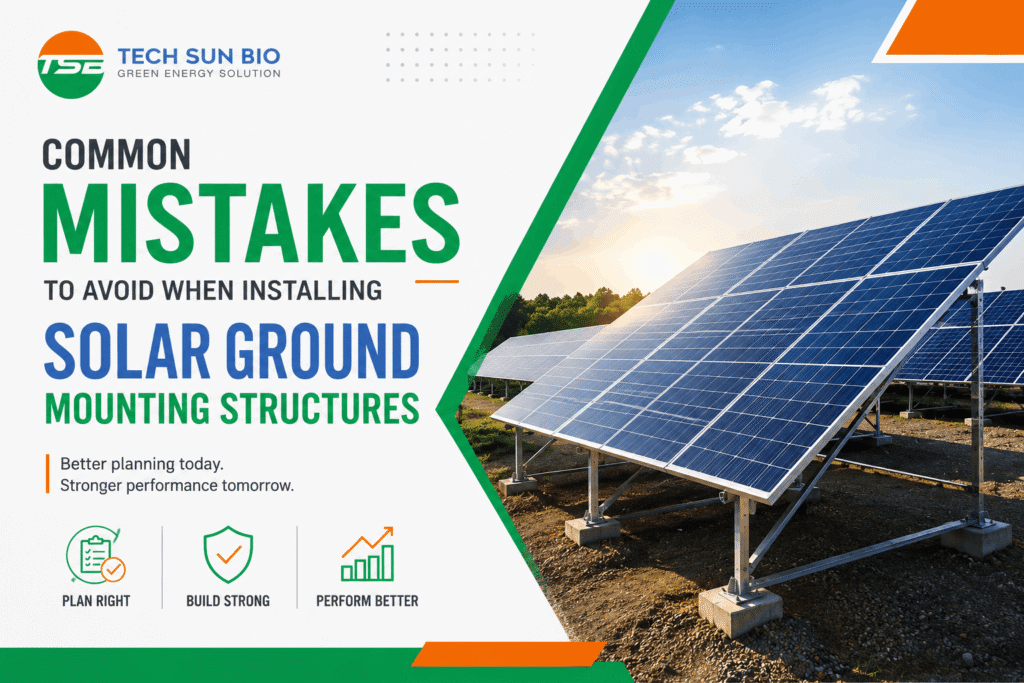
Common Mistakes to Avoid When Installing Solar Ground Mounting Structures

As solar energy adoption continues to grow, many businesses and industries are investing in ground-mounted solar systems to generate clean and cost-effective electricity. These systems are particularly useful when rooftop space is limited or when large-scale solar installations are required. However, the success of a solar project depends heavily on proper planning, design, and installation. One of the most important components of any ground-mounted solar project is the Solar Ground Mounting Structures that support and secure the solar panels. A well-designed mounting structure helps ensure system stability, optimal energy generation, and long-term performance. On the other hand, installation mistakes can lead to reduced efficiency, higher maintenance costs, and even structural failures. In this article, we will discuss some of the most common mistakes to avoid when installing Solar Ground Mounting Structures and how proper planning can help maximize the return on your solar investment. Understanding Solar Ground Mounting Structures Solar Ground Mounting Structures are the framework that supports solar panels installed on the ground. These structures are designed to withstand environmental conditions such as wind, rain, temperature fluctuations, and other external factors while maintaining the ideal tilt and orientation for maximum sunlight exposure. Ground-mounted solar systems are commonly used in commercial, industrial, agricultural, and utility-scale projects because they provide flexibility in design and can accommodate a larger number of solar panels compared to rooftop installations. Mistake 1: Ignoring Proper Site Assessment One of the biggest mistakes during solar installation is failing to conduct a detailed site assessment before construction begins. Every site has unique characteristics, including soil conditions, terrain, drainage patterns, and shading factors. Ignoring these elements can create challenges during installation and affect the long-term performance of the solar system. A professional site survey helps identify potential obstacles and ensures that the Solar Ground Mounting Structures are designed according to the specific requirements of the location. Mistake 2: Poor Soil Analysis The strength and stability of any ground-mounted solar project depend largely on the soil beneath it. Many project owners underestimate the importance of soil testing and proceed with installation without understanding the soil’s load-bearing capacity. Weak or unstable soil can lead to structural movement, foundation issues, and increased maintenance requirements. Proper geotechnical analysis helps determine the most suitable foundation type and ensures that the mounting structures remain secure throughout the system’s lifespan. Mistake 3: Incorrect Structure Design Not all solar projects require the same mounting structure design. Factors such as project size, location, wind speed, panel configuration, and environmental conditions should influence the structural design. Using a generic design without considering site-specific conditions can reduce system reliability and increase operational risks. Well-engineered Solar Ground Mounting Structures should be designed to handle expected loads while maintaining optimal panel positioning for maximum energy generation. Mistake 4: Improper Tilt Angle and Orientation The tilt angle and orientation of solar panels significantly impact energy production. A common mistake is installing panels without properly calculating the optimal angle for the project’s geographical location. Incorrect positioning can reduce solar energy absorption and lower overall system efficiency. Experienced solar engineers carefully determine the ideal tilt and orientation to maximize sunlight exposure throughout the year. Mistake 5: Overlooking Wind Load Calculations Ground-mounted solar systems are constantly exposed to environmental conditions, especially strong winds. Failure to account for wind loads during the design phase can compromise structural stability and increase the risk of damage during extreme weather events. Professional engineering teams perform detailed wind load calculations to ensure that Solar Ground Mounting Structures remain secure and durable under varying climatic conditions. Mistake 6: Choosing Low-Quality Materials Cost-saving decisions during procurement can sometimes lead to the selection of low-quality structural materials. Inferior materials may corrode faster, require frequent maintenance, and reduce the lifespan of the entire solar installation. Using high-quality galvanized steel or other durable materials helps improve structural reliability and supports long-term project performance. Mistake 7: Ignoring Future Maintenance Requirements Many solar projects are designed with a focus on installation but overlook maintenance accessibility. Adequate spacing between rows, easy access pathways, and proper system layout are essential for routine inspections, cleaning, and repairs. Planning for maintenance during the design stage can reduce operational challenges and help maintain system efficiency over time. Mistake 8: Lack of Professional EPC Support One of the most common reasons for project delays and performance issues is working with inexperienced contractors. Solar projects require expertise in engineering, procurement, construction, and project management. Choosing a trusted EPC partner helps ensure that every stage of the project is handled professionally. Businesses looking for a reliable solar company in Surat should evaluate experience, technical capabilities, project portfolio, and after-sales support before making a decision. Why Choosing the Right Solar EPC Partner Matters A successful solar project involves much more than installing solar panels. It requires careful planning, engineering, procurement, construction, testing, and ongoing support. Working with the best solar EPC company in Surat can help minimize installation errors and ensure that the project delivers maximum value over its lifetime. Experienced solar EPC companies in Surat provide end-to-end project management, helping clients navigate technical, operational, and regulatory requirements efficiently. How Tech Sun Bio Supports Successful Solar Projects Tech Sun Bio is a trusted solar project developer and EPC company committed to delivering reliable and efficient solar energy solutions. Founded in 2014 by IIT Bombay alumnus Tejas Patel, the company provides comprehensive solar services for residential, commercial, industrial, and ground-mounted solar projects. With expertise in project design, engineering, procurement, installation, and maintenance, Tech Sun Bio helps clients implement solar systems that are built for long-term performance and sustainability. The company’s focus on quality execution and customer satisfaction has made it a trusted partner for businesses seeking dependable solar energy solutions. Conclusion Installing Solar Ground Mounting Structures requires careful planning, technical expertise, and attention to detail. Mistakes such as poor site assessment, inadequate soil analysis, incorrect structural design, improper panel orientation, and the use of low-quality materials can negatively impact project performance and increase long-term costs. By working with experienced professionals and choosing the right EPC partner, businesses
solar-ground-mounting-structures- tech-sun-bio
Solar Panel

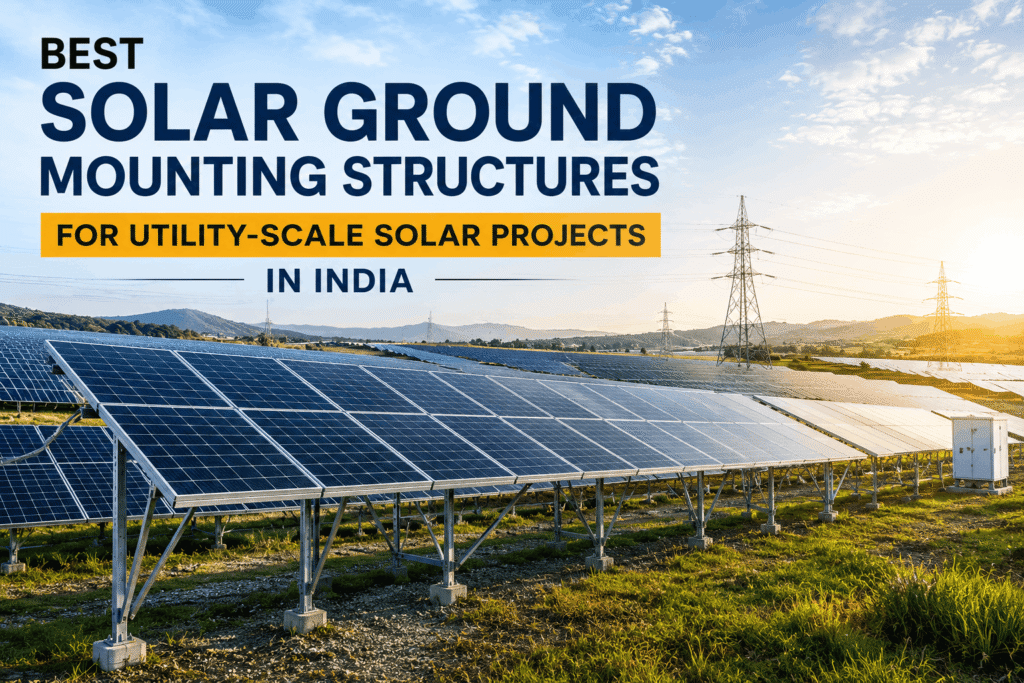
Best Solar Ground Mounting Structures for Utility-Scale Solar Projects in India

As India continues its transition toward clean energy, utility-scale solar projects are playing a vital role in meeting the country’s growing power demand. Large solar farms require not only high-efficiency solar panels but also durable and well-engineered Solar Ground Mounting Structures that can withstand environmental challenges while maximizing energy generation. The right mounting structure forms the backbone of any solar project, ensuring long-term performance, stability, and return on investment. In this guide, we’ll take a closer look at why Solar Ground Mounting Structures are essential for utility-scale solar projects, explore the different types available, discuss the key factors to consider when selecting the right system, and understand how experienced EPC partners help ensure successful project execution. Why Solar Ground Mounting Structures Matter Large solar power plants often cover several acres and are designed to generate significant amounts of clean energy. To ensure the panels remain secure and perform efficiently over the long term, Solar Ground Mounting Structures provide the essential support system that maintains proper alignment, tilt, and structural stability throughout the project’s lifespan. A well-designed mounting structure directly impacts: Energy generation efficiency Structural stability Project lifespan Maintenance requirements Overall project profitability Without robust mounting systems, solar farms may face issues related to wind loads, soil movement, corrosion, and reduced energy output. Read More: What Is a Solar Ground Mounting Structure? Types, Benefits & Installation Guide Types of Solar Ground Mounting Structures Selecting the right type of mounting system depends on project size, terrain conditions, climate, and budget. 1. Fixed Tilt Structures Fixed tilt systems are among the most commonly used Solar Ground Mounting Structures in utility-scale projects. Panels are installed at a fixed angle optimized for the site’s geographical location. Benefits include: Lower installation costs Minimal maintenance Long-term reliability Faster project deployment These systems are ideal for large solar parks where simplicity and cost-effectiveness are priorities. 2. Single-Axis Tracking Structures Single-axis tracking systems allow solar panels to move throughout the day, following the sun’s path from east to west. Advantages include: Higher energy yield Improved system efficiency Better performance during peak sunlight hours Although the initial investment is higher, many large-scale developers prefer these Solar Ground Mounting Structures for enhanced power generation. 3. Dual-Axis Tracking Structures Dual-axis trackers adjust both horizontal and vertical angles to maximize solar exposure. Benefits include: Maximum energy production Improved seasonal performance Enhanced land utilization These systems are generally used where energy optimization outweighs installation costs. Key Factors to Consider When Choosing Solar Ground Mounting Structures Site Conditions Every solar project begins with a detailed site assessment. Soil type, terrain, drainage, and environmental conditions influence the design of Solar Ground Mounting Structures. For example: Rocky terrain may require specialized foundations. Coastal regions need corrosion-resistant materials. High-wind zones require reinforced structural designs. Material Quality The durability of a solar project largely depends on the materials used in the mounting structure. Common materials include: Hot-dip galvanized steel Aluminum alloys Structural steel components High-quality materials improve corrosion resistance and extend the operational life of Solar Ground Mounting Structures. Wind and Load Analysis Solar power plants operate in a wide range of weather conditions over many years, making structural durability a critical consideration. Proper wind load calculations and careful engineering design help ensure that the mounting system remains secure, stable, and capable of handling extreme weather events without compromising performance. Installation Efficiency Projects involving thousands of solar modules demand structures that enable quick and efficient installation. Well-designed mounting systems reduce labor costs and accelerate project completion timelines. Benefits of Investing in High-Quality Solar Ground Mounting Structures The long-term success of a solar farm depends significantly on the quality of its structural components. Key benefits include: Enhanced Energy Production Proper tilt angles and stable support systems ensure optimal panel performance. Reduced Maintenance Costs Durable mounting systems require less frequent repairs and replacements. Improved Safety Strong structural foundations reduce operational risks and protect project investments. Longer Project Lifespan Premium-quality Solar Ground Mounting Structures can support reliable operations for 25 years or more. The Role of an Experienced EPC Partner Even the best structural design requires expert execution. Choosing a trusted EPC company is critical for successful project delivery. A reliable EPC provider manages: Site assessment Engineering and design Procurement Installation Testing and commissioning Long-term support Companies looking for the best solar EPC company in Surat often prioritize technical expertise, project experience, and end-to-end execution capabilities. One such trusted name is Tech Sun Bio, a leading solar company in Surat known for delivering high-performance solar solutions across residential, commercial, industrial, and utility-scale projects. Why Tech Sun Bio Stands Out Founded in 2014 by IIT Bombay alumnus Tejas Patel, Tech Sun Bio has built a strong reputation for delivering reliable and sustainable solar energy solutions across India. The company specializes in: Rooftop Solar Systems Commercial Solar Projects Industrial Solar Installations Utility-Scale Solar Farms Ground-Mounted Solar Solutions What sets Tech Sun Bio apart is its commitment to engineering excellence, quality materials, and seamless project execution. As one of the recognized solar EPC companies in Gujarat, the company helps clients maximize returns while reducing energy costs through customized solar solutions. Its expertise in designing and implementing durable Solar Ground Mounting Structures ensures long-term project stability and performance, even in challenging environmental conditions. Future of Utility-Scale Solar Projects in India The rapid expansion of India’s solar energy sector is creating new opportunities for utility-scale solar projects. Backed by ambitious renewable energy goals and strong market demand, developers are investing in infrastructure that can deliver long-term performance. As a result, the importance of durable and efficient Solar Ground Mounting Structures continues to grow. To maximize project success, developers are increasingly seeking structures that offer: Higher durability Improved energy generation Faster installation Lower lifecycle costs Innovations in materials, engineering design, and tracking technologies will further enhance the performance of future solar projects. Conclusion The foundation of a successful utility-scale solar project begins with choosing the right Solar Ground Mounting Structures. These structures do much more than support solar panels they contribute to system efficiency, durability, and the

Scroll to Top