
techsunbio.com

Ground Mounted Solar Structures

solar-ground-mounting-structures-tarchsunbio
Solar Panel

Solar Ground Mounting Structures for Agricultural Land: Benefits and Considerations

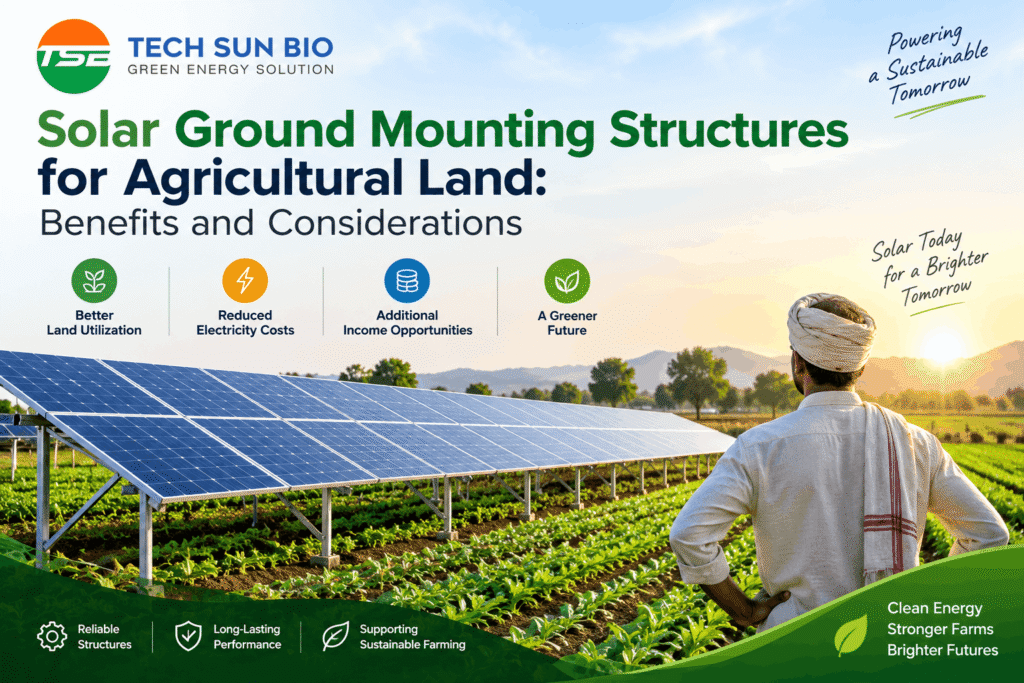
As the demand for renewable energy continues to grow, agricultural land is emerging as an ideal location for solar power generation. Farmers and landowners are increasingly exploring solar energy solutions to reduce electricity costs, create additional income streams, and contribute to environmental sustainability. Among the most effective options available today are Solar Ground Mounting Structures, which provide a reliable foundation for large-scale solar installations on open land. Unlike rooftop systems, ground-mounted solar installations offer greater flexibility in design, higher energy generation potential, and easier maintenance. For agricultural landowners, these systems can transform underutilized land into a productive asset while supporting long-term energy independence. What Are Solar Ground Mounting Structures? Solar Ground Mounting Structures are engineered frameworks that support solar panels installed directly on the ground. These structures are designed to withstand various environmental conditions, including wind loads, heavy rainfall, and temperature fluctuations. Typically constructed from galvanized steel or aluminum, they provide durability, stability, and optimal panel orientation for maximum solar energy production. Ground-mounted systems are widely used for utility-scale solar projects, industrial facilities, commercial establishments, and agricultural applications where large open spaces are available. Benefits of Solar Ground Mounting Structures on Agricultural Land 1. Efficient Use of Available Land Agricultural properties often have unused or low-productivity areas that can be utilized for solar installations. By installing Solar Ground Mounting Structures, landowners can generate clean energy without significantly impacting farming operations. In some cases, solar systems can coexist with agricultural activities through innovative agrivoltaic practices. 2. Higher Energy Generation Ground-mounted solar systems can be installed at the ideal tilt angle and orientation, allowing them to capture maximum sunlight throughout the year. Unlike rooftop installations, they are not limited by roof size, shape, or shading issues, resulting in higher energy output and improved system performance. 3. Additional Revenue Opportunities Farmers can benefit financially by using solar energy for irrigation pumps, cold storage units, and other agricultural equipment. Excess electricity can often be supplied to the grid, creating an additional source of income. This makes solar investments highly attractive for agricultural landowners seeking long-term returns. 4. Easy Maintenance and Accessibility One of the major advantages of ground-mounted systems is accessibility. Maintenance teams can easily inspect, clean, and service solar panels without the challenges associated with rooftop installations. This contributes to better efficiency and a longer operational lifespan. 5. Scalability and Future Expansion As energy requirements grow, agricultural businesses can expand their solar capacity more easily with ground-mounted systems. Additional panels can be integrated into existing layouts without major structural modifications, making these installations highly scalable. 6. Environmental Sustainability Solar energy significantly reduces dependence on fossil fuels and lowers greenhouse gas emissions. By adopting Solar Ground Mounting Structures, farmers contribute to cleaner energy production while enhancing the sustainability of their agricultural operations. Important Considerations Before Installation Land Suitability Before installing a solar plant, it is important to evaluate the land’s topography, soil conditions, and sunlight availability. Flat or gently sloping land with minimal shading is generally ideal for solar installations. Regulatory Compliance Local regulations, land-use policies, and grid connectivity requirements must be reviewed before project execution. Proper approvals and permits help ensure smooth project implementation and long-term operational compliance. Structural Quality The performance and longevity of a solar project depend heavily on the quality of the mounting structure. High-grade materials, corrosion-resistant coatings, and professional engineering design are essential for reliable operation over the system’s lifespan. Initial Investment Although solar projects provide significant long-term savings, the upfront investment can be substantial. Landowners should evaluate financing options, government incentives, and projected returns before proceeding. Drainage and Water Management Proper drainage systems should be incorporated into the project design to prevent water accumulation around the foundations. Effective site planning helps protect both the solar infrastructure and the surrounding agricultural land. Why Choosing the Right Solar EPC Partner Matters The success of a ground-mounted solar project depends not only on the technology but also on the expertise of the EPC (Engineering, Procurement, and Construction) partner. An experienced EPC company manages everything from site assessment and system design to procurement, installation, commissioning, and ongoing support. For businesses and landowners seeking the best solar EPC company in Surat, Tech Sun Bio stands out as a trusted industry leader. Founded in 2014 by IIT Bombay alumnus Tejas Patel, the company specializes in rooftop, commercial, industrial, and ground-mounted solar projects while delivering end-to-end EPC solutions. With over a decade of expertise, Tech Sun Bio has successfully executed numerous solar installations across Gujarat, helping clients achieve energy savings and sustainability goals through reliable project execution and advanced engineering capabilities. Conclusion As renewable energy adoption accelerates across India, agricultural land presents a valuable opportunity for large-scale solar development. Solar Ground Mounting Structures offer flexibility, durability, scalability, and strong long-term returns, making them an excellent choice for farmers and landowners looking to maximize the value of their property. Whether the goal is reducing energy costs, generating additional revenue, or contributing to a greener future, investing in Solar Ground Mounting Structures can deliver substantial benefits when planned and executed correctly. By partnering with an experienced solar EPC provider, agricultural landowners can ensure a successful project that generates reliable clean energy for decades to come. FAQs 1. What are Solar Ground Mounting Structures?Solar Ground Mounting Structures are durable frameworks that support solar panels installed directly on the ground for efficient energy generation. 2. Are ground-mounted solar systems suitable for farms?Yes, they are ideal for agricultural land with open spaces and can help farmers reduce electricity costs. 3. Do Solar Ground Mounting Structures require regular maintenance?Very little maintenance is needed beyond routine panel cleaning and periodic inspections. 4. Can Solar Ground Mounting Structures withstand harsh weather?Yes, high-quality structures are designed to handle wind, rain, and other environmental conditions. 5. Why choose a professional solar EPC company for installation?An experienced EPC company ensures proper design, quality installation, and long-term system performance.
solar-ground-mounting-structures- tech-sun-bio
Solar Panel

Best Solar Ground Mounting Structures for Utility-Scale Solar Projects in India

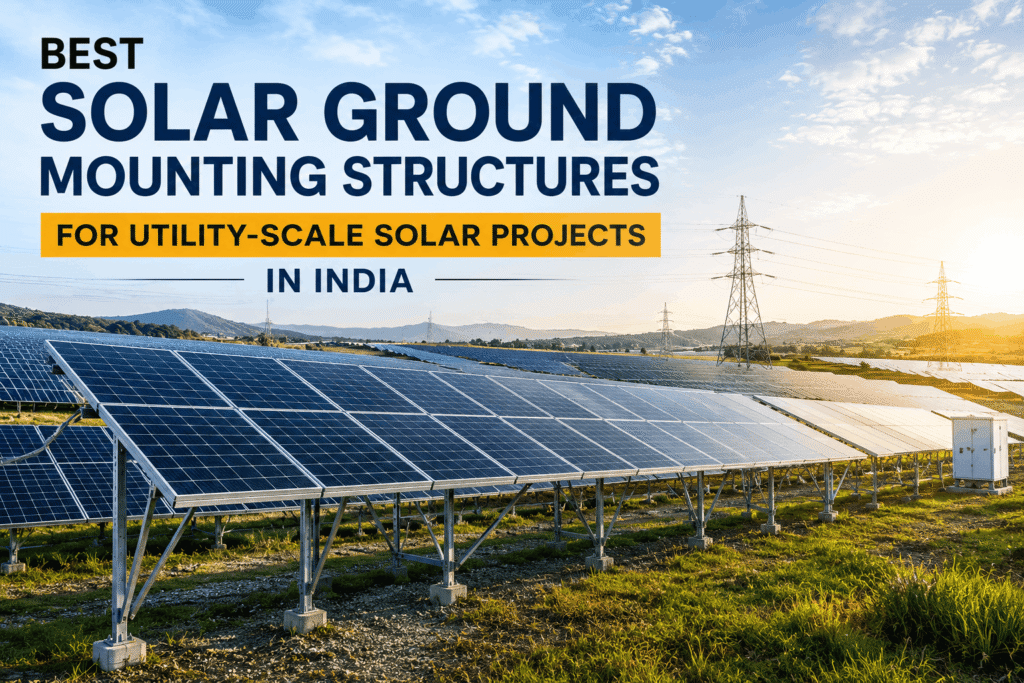
As India continues its transition toward clean energy, utility-scale solar projects are playing a vital role in meeting the country’s growing power demand. Large solar farms require not only high-efficiency solar panels but also durable and well-engineered Solar Ground Mounting Structures that can withstand environmental challenges while maximizing energy generation. The right mounting structure forms the backbone of any solar project, ensuring long-term performance, stability, and return on investment. In this guide, we’ll take a closer look at why Solar Ground Mounting Structures are essential for utility-scale solar projects, explore the different types available, discuss the key factors to consider when selecting the right system, and understand how experienced EPC partners help ensure successful project execution. Why Solar Ground Mounting Structures Matter Large solar power plants often cover several acres and are designed to generate significant amounts of clean energy. To ensure the panels remain secure and perform efficiently over the long term, Solar Ground Mounting Structures provide the essential support system that maintains proper alignment, tilt, and structural stability throughout the project’s lifespan. A well-designed mounting structure directly impacts: Energy generation efficiency Structural stability Project lifespan Maintenance requirements Overall project profitability Without robust mounting systems, solar farms may face issues related to wind loads, soil movement, corrosion, and reduced energy output. Read More: What Is a Solar Ground Mounting Structure? Types, Benefits & Installation Guide Types of Solar Ground Mounting Structures Selecting the right type of mounting system depends on project size, terrain conditions, climate, and budget. 1. Fixed Tilt Structures Fixed tilt systems are among the most commonly used Solar Ground Mounting Structures in utility-scale projects. Panels are installed at a fixed angle optimized for the site’s geographical location. Benefits include: Lower installation costs Minimal maintenance Long-term reliability Faster project deployment These systems are ideal for large solar parks where simplicity and cost-effectiveness are priorities. 2. Single-Axis Tracking Structures Single-axis tracking systems allow solar panels to move throughout the day, following the sun’s path from east to west. Advantages include: Higher energy yield Improved system efficiency Better performance during peak sunlight hours Although the initial investment is higher, many large-scale developers prefer these Solar Ground Mounting Structures for enhanced power generation. 3. Dual-Axis Tracking Structures Dual-axis trackers adjust both horizontal and vertical angles to maximize solar exposure. Benefits include: Maximum energy production Improved seasonal performance Enhanced land utilization These systems are generally used where energy optimization outweighs installation costs. Key Factors to Consider When Choosing Solar Ground Mounting Structures Site Conditions Every solar project begins with a detailed site assessment. Soil type, terrain, drainage, and environmental conditions influence the design of Solar Ground Mounting Structures. For example: Rocky terrain may require specialized foundations. Coastal regions need corrosion-resistant materials. High-wind zones require reinforced structural designs. Material Quality The durability of a solar project largely depends on the materials used in the mounting structure. Common materials include: Hot-dip galvanized steel Aluminum alloys Structural steel components High-quality materials improve corrosion resistance and extend the operational life of Solar Ground Mounting Structures. Wind and Load Analysis Solar power plants operate in a wide range of weather conditions over many years, making structural durability a critical consideration. Proper wind load calculations and careful engineering design help ensure that the mounting system remains secure, stable, and capable of handling extreme weather events without compromising performance. Installation Efficiency Projects involving thousands of solar modules demand structures that enable quick and efficient installation. Well-designed mounting systems reduce labor costs and accelerate project completion timelines. Benefits of Investing in High-Quality Solar Ground Mounting Structures The long-term success of a solar farm depends significantly on the quality of its structural components. Key benefits include: Enhanced Energy Production Proper tilt angles and stable support systems ensure optimal panel performance. Reduced Maintenance Costs Durable mounting systems require less frequent repairs and replacements. Improved Safety Strong structural foundations reduce operational risks and protect project investments. Longer Project Lifespan Premium-quality Solar Ground Mounting Structures can support reliable operations for 25 years or more. The Role of an Experienced EPC Partner Even the best structural design requires expert execution. Choosing a trusted EPC company is critical for successful project delivery. A reliable EPC provider manages: Site assessment Engineering and design Procurement Installation Testing and commissioning Long-term support Companies looking for the best solar EPC company in Surat often prioritize technical expertise, project experience, and end-to-end execution capabilities. One such trusted name is Tech Sun Bio, a leading solar company in Surat known for delivering high-performance solar solutions across residential, commercial, industrial, and utility-scale projects. Why Tech Sun Bio Stands Out Founded in 2014 by IIT Bombay alumnus Tejas Patel, Tech Sun Bio has built a strong reputation for delivering reliable and sustainable solar energy solutions across India. The company specializes in: Rooftop Solar Systems Commercial Solar Projects Industrial Solar Installations Utility-Scale Solar Farms Ground-Mounted Solar Solutions What sets Tech Sun Bio apart is its commitment to engineering excellence, quality materials, and seamless project execution. As one of the recognized solar EPC companies in Gujarat, the company helps clients maximize returns while reducing energy costs through customized solar solutions. Its expertise in designing and implementing durable Solar Ground Mounting Structures ensures long-term project stability and performance, even in challenging environmental conditions. Future of Utility-Scale Solar Projects in India The rapid expansion of India’s solar energy sector is creating new opportunities for utility-scale solar projects. Backed by ambitious renewable energy goals and strong market demand, developers are investing in infrastructure that can deliver long-term performance. As a result, the importance of durable and efficient Solar Ground Mounting Structures continues to grow. To maximize project success, developers are increasingly seeking structures that offer: Higher durability Improved energy generation Faster installation Lower lifecycle costs Innovations in materials, engineering design, and tracking technologies will further enhance the performance of future solar projects. Conclusion The foundation of a successful utility-scale solar project begins with choosing the right Solar Ground Mounting Structures. These structures do much more than support solar panels they contribute to system efficiency, durability, and the

Scroll to Top