
techsunbio.com

solar epc companies in surat\

solar-ground-mounting-structure -supplier
Solar Panel

Top Features to Look for in a Solar Ground Mounting Structure Supplier

As solar energy adoption continues to grow across India, businesses, industries, and utility-scale projects are increasingly investing in ground-mounted solar systems. However, the long-term success of a solar project depends not only on the quality of the solar panels but also on the strength and reliability of the mounting structure that supports them. Choosing the right Solar Ground Mounting Structure supplier is therefore a critical decision that can directly impact system performance, durability, and return on investment. A well-designed mounting structure ensures that solar panels remain stable under varying weather conditions while maximizing energy generation. Whether you are planning a commercial, industrial, or large-scale solar installation, understanding the key features of a reliable supplier can help you make an informed decision. Why Solar Ground Mounting Structures Matter A Solar Ground Mounting Structure serves as the foundation of a ground-mounted solar power system. It supports solar panels, maintains the optimal tilt angle, and protects the installation from environmental stresses such as wind, rain, and temperature fluctuations. Poor-quality structures can lead to maintenance issues, reduced efficiency, and increased operational costs. Therefore, selecting an experienced supplier is essential for ensuring long-term project success. 1. High-Quality Materials and Durability One of the first features to evaluate is the quality of materials used in the mounting structure. Reliable suppliers use corrosion-resistant materials such as galvanized steel or aluminum to ensure long-lasting performance. A high-quality Solar Ground Mounting Structure should be designed to withstand harsh environmental conditions, including heavy rainfall, strong winds, and extreme temperatures. Durable materials help reduce maintenance requirements and extend the lifespan of the entire solar installation. 2. Engineering Expertise and Industry Experience Experience plays a significant role when selecting a supplier. Companies with a proven track record understand the technical challenges associated with different project types and site conditions. Leading solar epc companies in surat often work closely with experienced engineering teams to design mounting systems that meet project-specific requirements. Their expertise helps ensure structural stability, optimal energy production, and compliance with industry standards. When evaluating suppliers, look for completed projects, technical certifications, and industry experience that demonstrate their ability to deliver reliable solutions. 3. Customized Design Capabilities Every solar project is unique. Factors such as land conditions, soil type, weather patterns, and energy requirements can influence the design of the mounting structure. A dependable supplier should offer customized Solar Ground Mounting Structure solutions tailored to the specific needs of the project. Customized designs help maximize land utilization, improve panel orientation, and enhance overall system efficiency. Many experienced solar epc companies in surat prioritize site-specific engineering to ensure optimal project performance and long-term reliability. 4. Compliance with Industry Standards Safety and compliance should never be overlooked. A reputable supplier follows national and international engineering standards to ensure structural integrity and operational safety. Before making a decision, verify that the supplier conducts proper load calculations, wind analysis, and structural testing. Compliance with quality standards demonstrates the supplier’s commitment to delivering dependable solar infrastructure. Working with trusted solar epc companies in surat can provide additional assurance that the project meets industry regulations and best practices. 5. Strong Manufacturing and Quality Control Processes The manufacturing process directly affects the reliability of a mounting structure. Leading suppliers implement strict quality control measures at every stage of production. A premium Solar Ground Mounting Structure should undergo rigorous inspections, material testing, and performance evaluations before installation. Consistent quality standards help minimize risks and ensure long-term project stability. Companies that maintain strong manufacturing capabilities are often better positioned to deliver projects on time without compromising quality. 6. Installation Support and Technical Assistance A supplier’s responsibility should extend beyond manufacturing. Professional installation support and technical guidance are valuable factors that contribute to successful project execution. Experienced solar epc companies in surat often provide end-to-end support, including site assessment, design consultation, installation assistance, and maintenance recommendations. Choosing a supplier that offers technical expertise throughout the project lifecycle can significantly reduce delays and operational challenges. 7. Cost-Effectiveness Without Compromising Quality While cost is an important consideration, the cheapest option is not always the best choice. Low-cost structures may result in higher maintenance expenses and reduced system performance over time. Instead, focus on suppliers that offer the best balance between quality, durability, and value. A reliable Solar Ground Mounting Structure represents a long-term investment that contributes to higher energy generation and improved project profitability. Many established solar epc companies in surat emphasize lifecycle value rather than upfront costs, helping customers achieve better long-term returns. Why Choose an Experienced Solar Partner When selecting a mounting structure supplier, partnering with an experienced solar company can provide additional advantages. Tech Sun Bio is a trusted solar project developer and EPC company that delivers rooftop, commercial, industrial, and ground-mounted solar solutions across various sectors. Founded in 2014 by IIT Bombay alumnus Tejas Patel, Tech Sun Bio combines technical expertise with end-to-end project execution to help businesses and organizations adopt efficient and sustainable solar energy solutions. The company’s commitment to quality engineering and reliable project delivery makes it a trusted name in the solar industry. Conclusion Choosing the right supplier for your Solar Ground Mounting Structure is one of the most important decisions in any ground-mounted solar project. Factors such as material quality, engineering expertise, customization capabilities, compliance standards, manufacturing excellence, and technical support all play a crucial role in ensuring project success. As the solar industry continues to expand, businesses are increasingly partnering with trusted solar epc companies in surat to implement reliable and efficient solar infrastructure. By selecting a supplier that prioritizes quality, durability, and technical excellence, you can maximize the performance and longevity of your solar investment while contributing to a more sustainable future. FAQs 1. What is a Solar Ground Mounting Structure and why is it important? A Solar Ground Mounting Structure is the framework that supports solar panels in a ground-mounted installation. It plays a crucial role in ensuring stability, durability, and optimal panel positioning for maximum energy generation. 2. How do I choose the right Solar Ground Mounting Structure supplier? Look
solar-ground-mounting-structures
Solar Panel

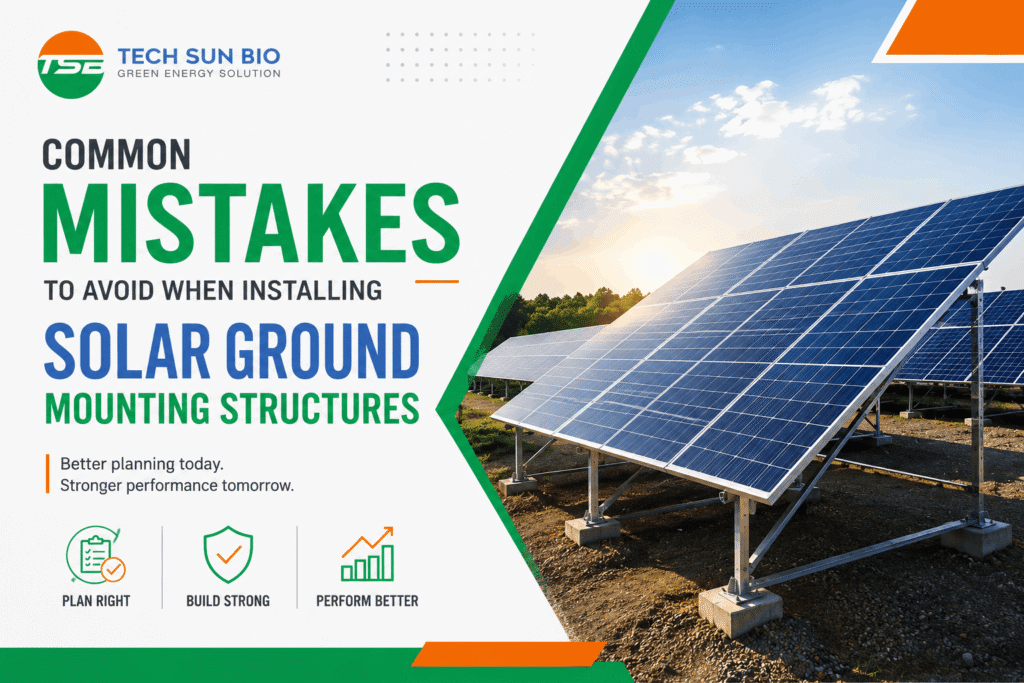
Common Mistakes to Avoid When Installing Solar Ground Mounting Structures

As solar energy adoption continues to grow, many businesses and industries are investing in ground-mounted solar systems to generate clean and cost-effective electricity. These systems are particularly useful when rooftop space is limited or when large-scale solar installations are required. However, the success of a solar project depends heavily on proper planning, design, and installation. One of the most important components of any ground-mounted solar project is the Solar Ground Mounting Structures that support and secure the solar panels. A well-designed mounting structure helps ensure system stability, optimal energy generation, and long-term performance. On the other hand, installation mistakes can lead to reduced efficiency, higher maintenance costs, and even structural failures. In this article, we will discuss some of the most common mistakes to avoid when installing Solar Ground Mounting Structures and how proper planning can help maximize the return on your solar investment. Understanding Solar Ground Mounting Structures Solar Ground Mounting Structures are the framework that supports solar panels installed on the ground. These structures are designed to withstand environmental conditions such as wind, rain, temperature fluctuations, and other external factors while maintaining the ideal tilt and orientation for maximum sunlight exposure. Ground-mounted solar systems are commonly used in commercial, industrial, agricultural, and utility-scale projects because they provide flexibility in design and can accommodate a larger number of solar panels compared to rooftop installations. Mistake 1: Ignoring Proper Site Assessment One of the biggest mistakes during solar installation is failing to conduct a detailed site assessment before construction begins. Every site has unique characteristics, including soil conditions, terrain, drainage patterns, and shading factors. Ignoring these elements can create challenges during installation and affect the long-term performance of the solar system. A professional site survey helps identify potential obstacles and ensures that the Solar Ground Mounting Structures are designed according to the specific requirements of the location. Mistake 2: Poor Soil Analysis The strength and stability of any ground-mounted solar project depend largely on the soil beneath it. Many project owners underestimate the importance of soil testing and proceed with installation without understanding the soil’s load-bearing capacity. Weak or unstable soil can lead to structural movement, foundation issues, and increased maintenance requirements. Proper geotechnical analysis helps determine the most suitable foundation type and ensures that the mounting structures remain secure throughout the system’s lifespan. Mistake 3: Incorrect Structure Design Not all solar projects require the same mounting structure design. Factors such as project size, location, wind speed, panel configuration, and environmental conditions should influence the structural design. Using a generic design without considering site-specific conditions can reduce system reliability and increase operational risks. Well-engineered Solar Ground Mounting Structures should be designed to handle expected loads while maintaining optimal panel positioning for maximum energy generation. Mistake 4: Improper Tilt Angle and Orientation The tilt angle and orientation of solar panels significantly impact energy production. A common mistake is installing panels without properly calculating the optimal angle for the project’s geographical location. Incorrect positioning can reduce solar energy absorption and lower overall system efficiency. Experienced solar engineers carefully determine the ideal tilt and orientation to maximize sunlight exposure throughout the year. Mistake 5: Overlooking Wind Load Calculations Ground-mounted solar systems are constantly exposed to environmental conditions, especially strong winds. Failure to account for wind loads during the design phase can compromise structural stability and increase the risk of damage during extreme weather events. Professional engineering teams perform detailed wind load calculations to ensure that Solar Ground Mounting Structures remain secure and durable under varying climatic conditions. Mistake 6: Choosing Low-Quality Materials Cost-saving decisions during procurement can sometimes lead to the selection of low-quality structural materials. Inferior materials may corrode faster, require frequent maintenance, and reduce the lifespan of the entire solar installation. Using high-quality galvanized steel or other durable materials helps improve structural reliability and supports long-term project performance. Mistake 7: Ignoring Future Maintenance Requirements Many solar projects are designed with a focus on installation but overlook maintenance accessibility. Adequate spacing between rows, easy access pathways, and proper system layout are essential for routine inspections, cleaning, and repairs. Planning for maintenance during the design stage can reduce operational challenges and help maintain system efficiency over time. Mistake 8: Lack of Professional EPC Support One of the most common reasons for project delays and performance issues is working with inexperienced contractors. Solar projects require expertise in engineering, procurement, construction, and project management. Choosing a trusted EPC partner helps ensure that every stage of the project is handled professionally. Businesses looking for a reliable solar company in Surat should evaluate experience, technical capabilities, project portfolio, and after-sales support before making a decision. Why Choosing the Right Solar EPC Partner Matters A successful solar project involves much more than installing solar panels. It requires careful planning, engineering, procurement, construction, testing, and ongoing support. Working with the best solar EPC company in Surat can help minimize installation errors and ensure that the project delivers maximum value over its lifetime. Experienced solar EPC companies in Surat provide end-to-end project management, helping clients navigate technical, operational, and regulatory requirements efficiently. How Tech Sun Bio Supports Successful Solar Projects Tech Sun Bio is a trusted solar project developer and EPC company committed to delivering reliable and efficient solar energy solutions. Founded in 2014 by IIT Bombay alumnus Tejas Patel, the company provides comprehensive solar services for residential, commercial, industrial, and ground-mounted solar projects. With expertise in project design, engineering, procurement, installation, and maintenance, Tech Sun Bio helps clients implement solar systems that are built for long-term performance and sustainability. The company’s focus on quality execution and customer satisfaction has made it a trusted partner for businesses seeking dependable solar energy solutions. Conclusion Installing Solar Ground Mounting Structures requires careful planning, technical expertise, and attention to detail. Mistakes such as poor site assessment, inadequate soil analysis, incorrect structural design, improper panel orientation, and the use of low-quality materials can negatively impact project performance and increase long-term costs. By working with experienced professionals and choosing the right EPC partner, businesses

Scroll to Top