techsunbio.com

Solar Ground Mounting Structure

solar-ground-mounting-structure -supplier
Solar Panel

Top Features to Look for in a Solar Ground Mounting Structure Supplier

As solar energy adoption continues to grow across India, businesses, industries, and utility-scale projects are increasingly investing in ground-mounted solar systems. However, the long-term success of a solar project depends not only on the quality of the solar panels but also on the strength and reliability of the mounting structure that supports them. Choosing the right Solar Ground Mounting Structure supplier is therefore a critical decision that can directly impact system performance, durability, and return on investment. A well-designed mounting structure ensures that solar panels remain stable under varying weather conditions while maximizing energy generation. Whether you are planning a commercial, industrial, or large-scale solar installation, understanding the key features of a reliable supplier can help you make an informed decision. Why Solar Ground Mounting Structures Matter A Solar Ground Mounting Structure serves as the foundation of a ground-mounted solar power system. It supports solar panels, maintains the optimal tilt angle, and protects the installation from environmental stresses such as wind, rain, and temperature fluctuations. Poor-quality structures can lead to maintenance issues, reduced efficiency, and increased operational costs. Therefore, selecting an experienced supplier is essential for ensuring long-term project success. 1. High-Quality Materials and Durability One of the first features to evaluate is the quality of materials used in the mounting structure. Reliable suppliers use corrosion-resistant materials such as galvanized steel or aluminum to ensure long-lasting performance. A high-quality Solar Ground Mounting Structure should be designed to withstand harsh environmental conditions, including heavy rainfall, strong winds, and extreme temperatures. Durable materials help reduce maintenance requirements and extend the lifespan of the entire solar installation. 2. Engineering Expertise and Industry Experience Experience plays a significant role when selecting a supplier. Companies with a proven track record understand the technical challenges associated with different project types and site conditions. Leading solar epc companies in surat often work closely with experienced engineering teams to design mounting systems that meet project-specific requirements. Their expertise helps ensure structural stability, optimal energy production, and compliance with industry standards. When evaluating suppliers, look for completed projects, technical certifications, and industry experience that demonstrate their ability to deliver reliable solutions. 3. Customized Design Capabilities Every solar project is unique. Factors such as land conditions, soil type, weather patterns, and energy requirements can influence the design of the mounting structure. A dependable supplier should offer customized Solar Ground Mounting Structure solutions tailored to the specific needs of the project. Customized designs help maximize land utilization, improve panel orientation, and enhance overall system efficiency. Many experienced solar epc companies in surat prioritize site-specific engineering to ensure optimal project performance and long-term reliability. 4. Compliance with Industry Standards Safety and compliance should never be overlooked. A reputable supplier follows national and international engineering standards to ensure structural integrity and operational safety. Before making a decision, verify that the supplier conducts proper load calculations, wind analysis, and structural testing. Compliance with quality standards demonstrates the supplier’s commitment to delivering dependable solar infrastructure. Working with trusted solar epc companies in surat can provide additional assurance that the project meets industry regulations and best practices. 5. Strong Manufacturing and Quality Control Processes The manufacturing process directly affects the reliability of a mounting structure. Leading suppliers implement strict quality control measures at every stage of production. A premium Solar Ground Mounting Structure should undergo rigorous inspections, material testing, and performance evaluations before installation. Consistent quality standards help minimize risks and ensure long-term project stability. Companies that maintain strong manufacturing capabilities are often better positioned to deliver projects on time without compromising quality. 6. Installation Support and Technical Assistance A supplier’s responsibility should extend beyond manufacturing. Professional installation support and technical guidance are valuable factors that contribute to successful project execution. Experienced solar epc companies in surat often provide end-to-end support, including site assessment, design consultation, installation assistance, and maintenance recommendations. Choosing a supplier that offers technical expertise throughout the project lifecycle can significantly reduce delays and operational challenges. 7. Cost-Effectiveness Without Compromising Quality While cost is an important consideration, the cheapest option is not always the best choice. Low-cost structures may result in higher maintenance expenses and reduced system performance over time. Instead, focus on suppliers that offer the best balance between quality, durability, and value. A reliable Solar Ground Mounting Structure represents a long-term investment that contributes to higher energy generation and improved project profitability. Many established solar epc companies in surat emphasize lifecycle value rather than upfront costs, helping customers achieve better long-term returns. Why Choose an Experienced Solar Partner When selecting a mounting structure supplier, partnering with an experienced solar company can provide additional advantages. Tech Sun Bio is a trusted solar project developer and EPC company that delivers rooftop, commercial, industrial, and ground-mounted solar solutions across various sectors. Founded in 2014 by IIT Bombay alumnus Tejas Patel, Tech Sun Bio combines technical expertise with end-to-end project execution to help businesses and organizations adopt efficient and sustainable solar energy solutions. The company’s commitment to quality engineering and reliable project delivery makes it a trusted name in the solar industry. Conclusion Choosing the right supplier for your Solar Ground Mounting Structure is one of the most important decisions in any ground-mounted solar project. Factors such as material quality, engineering expertise, customization capabilities, compliance standards, manufacturing excellence, and technical support all play a crucial role in ensuring project success. As the solar industry continues to expand, businesses are increasingly partnering with trusted solar epc companies in surat to implement reliable and efficient solar infrastructure. By selecting a supplier that prioritizes quality, durability, and technical excellence, you can maximize the performance and longevity of your solar investment while contributing to a more sustainable future. FAQs 1. What is a Solar Ground Mounting Structure and why is it important? A Solar Ground Mounting Structure is the framework that supports solar panels in a ground-mounted installation. It plays a crucial role in ensuring stability, durability, and optimal panel positioning for maximum energy generation. 2. How do I choose the right Solar Ground Mounting Structure supplier? Look
solar-ground-mounting-structures-in-india
Solar Panel

Solar Ground Mounting Structures in India: Design Standards and Installation Process

As India continues its transition toward clean energy, large-scale solar projects are becoming increasingly popular across commercial, industrial, and utility sectors. At the heart of every successful solar plant lies a strong and reliable Solar Ground Mounting Structures system. These structures provide the foundation that supports solar panels, ensures durability, and maximizes energy generation over the lifespan of the project. With growing investments in renewable energy, understanding the design standards and installation process of Solar Ground Mounting Structures has become essential for businesses planning solar power projects. From site assessment to final commissioning, every stage plays a crucial role in the efficiency and performance of a solar power plant. What Are Solar Ground Mounting Structures? Solar Ground Mounting Structures are specially engineered frameworks designed to support solar photovoltaic (PV) panels installed directly on the ground. Unlike rooftop systems, these structures are deployed on open land and are commonly used for commercial, industrial, agricultural, and utility-scale solar projects. A well-designed solar ground mounting structure ensures proper panel orientation, structural stability, and resistance against environmental conditions such as wind loads, rainfall, and temperature variations. These structures are typically manufactured using galvanized steel or aluminum to provide long-term durability and corrosion resistance. Also Read: Best Solar Ground Mounting Structures for Utility-Scale Solar Projects in India Importance of Solar Ground Mounting Structures The performance of a solar power plant depends significantly on the quality and design of its mounting system. High-quality Solar Ground Mounting Structures offer several advantages: Enhanced structural strength and stability Optimized solar panel tilt and orientation Improved energy generation efficiency Long operational life with minimal maintenance Better resistance to harsh weather conditions For businesses investing in solar energy, choosing the right solar ground mounting structure is critical to achieving maximum return on investment. Design Standards for Solar Ground Mounting Structures in India The design of Solar Ground Mounting Structures in India follows stringent engineering and safety standards to ensure reliable performance under varying climatic conditions. 1. Structural Load Analysis Before installation, engineers conduct detailed load calculations considering: Wind speed and pressure Seismic activity Dead loads Live loads Snow loads (where applicable) Proper load analysis helps determine the strength requirements of the solar ground mounting structure. 2. Material Selection Most Solar Ground Mounting Structures are manufactured using hot-dip galvanized steel due to its high strength and corrosion resistance. Aluminum structures are also used in specific applications where lightweight construction is required. 3. Tilt Angle Optimization The tilt angle of solar panels directly impacts energy generation. Designers optimize the tilt based on the geographical location and solar irradiance levels to maximize output throughout the year. 4. Foundation Design The foundation is one of the most critical components of any solar ground mounting structure. Depending on soil conditions, engineers may choose: RCC foundations Pile foundations Screw pile foundations Proper foundation design ensures structural stability and long-term reliability. Installation Process of Solar Ground Mounting Structures A systematic installation process is essential for ensuring project success and long-term performance. Site Survey and Assessment The first step involves evaluating land conditions, soil characteristics, shading factors, and site accessibility. A detailed survey helps determine the most suitable layout for the solar plant. Engineering and Design Based on site data, engineers prepare structural drawings, electrical layouts, and foundation plans. This stage ensures that the Solar Ground Mounting Structures meet all technical and safety requirements. Foundation Construction The foundation work begins with excavation and installation of the selected foundation type. Proper alignment and leveling are critical during this phase. Structure Assembly Once the foundations are ready, the mounting structures are assembled and securely fixed. Every solar ground mounting structure component is installed according to engineering specifications. Solar Panel Installation Solar modules are mounted onto the structures using specially designed clamps and fasteners. The alignment is checked carefully to ensure optimal energy production. Electrical Integration The solar panels are connected through string wiring, combiner boxes, inverters, and monitoring systems. Safety inspections are conducted before commissioning. Testing and Commissioning The final stage involves performance testing, electrical verification, and system commissioning to ensure the solar plant operates efficiently. Choosing the Right Solar EPC Partner The success of any ground-mounted solar project depends not only on the quality of the mounting structures but also on the expertise of the EPC partner. Businesses looking for the best solar EPC company in Surat should prioritize experience, technical capabilities, project portfolio, and after-sales support. Tech Sun Bio has emerged as a trusted name in India’s solar industry by delivering comprehensive EPC solutions for commercial, industrial, rooftop, and ground-mounted solar projects. With a strong focus on engineering excellence and quality execution, the company helps businesses transition toward sustainable energy with confidence. As the best solar EPC company in Surat, Tech Sun Bio offers complete project management services, including site assessment, design, procurement, installation, commissioning, and maintenance. Their customer-centric approach ensures every solar project delivers maximum efficiency and long-term value. Organizations searching for the best solar EPC company in Surat often choose experienced providers that can handle complex installations while maintaining the highest quality standards. Tech Sun Bio’s proven expertise in executing large-scale solar projects has positioned it among the preferred choices for businesses across Gujarat and India. For industries planning utility-scale projects, partnering with the best solar EPC company in Surat can significantly improve project performance, reliability, and return on investment. From concept to completion, professional EPC execution plays a vital role in achieving long-term solar success. Conclusion As India accelerates its renewable energy adoption, the demand for reliable Solar Ground Mounting Structures continues to grow. These structures form the backbone of every ground-mounted solar plant, ensuring stability, durability, and optimal energy generation. A properly engineered solar ground mounting structure combined with expert installation can significantly enhance the performance and lifespan of a solar project. Whether you are developing a commercial solar facility or a utility-scale plant, working with the best solar EPC company in Surat can make a substantial difference in project outcomes. With its technical expertise, end-to-end EPC services, and commitment to quality, Tech Sun

ground-mounting-structure
Solar Panel

Solar Ground Mounting Structure vs Rooftop Solar: Which Is Better?

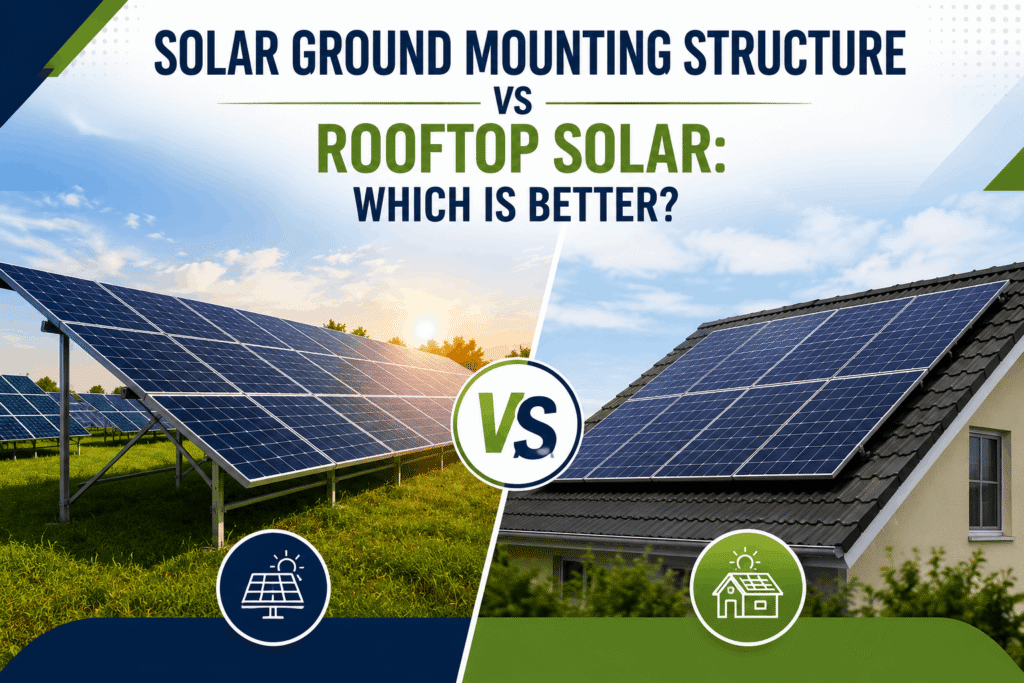
As solar energy adoption continues to grow across residential, commercial, and industrial sectors, one of the most common questions property owners and businesses ask is: Should I choose a Ground Mounting Structure or a rooftop solar system? Both options offer significant benefits, but the right choice depends on factors such as available space, energy requirements, budget, and future expansion plans. Understanding the differences between these solar installation methods can help you make a more informed investment decision. In this guide, we’ll compare Solar Ground Mounting Structure solutions and rooftop solar systems to help you determine which option is best for your project. Understanding Ground-Mounted and Rooftop Solar Systems A Ground Mounting Structure is a framework designed to support solar panels installed directly on the ground. These systems are commonly used in commercial facilities, industrial plants, solar farms, and locations with sufficient open land. On the other hand, rooftop solar systems are installed on the roof of a building and utilize existing roof space to generate electricity. Both solutions harness solar energy effectively, but their performance and suitability can vary based on project requirements. Space Availability One of the biggest differences between the two systems is space utilization. A Ground Mounting Structure requires open land for installation, making it ideal for industries, commercial properties, agricultural land, and large-scale solar projects. Rooftop solar systems are better suited for residential homes and buildings where roof space is available but land is limited. Best Choice: Large land area available → Ground-mounted solar Limited land but usable roof space → Rooftop solar Energy Generation Efficiency The efficiency of a solar system depends largely on panel orientation and tilt angle. A Ground Mounting Structure provides greater flexibility because solar panels can be positioned at the ideal angle and direction to maximize sunlight exposure throughout the year. In contrast, rooftop systems are often limited by the roof’s design, orientation, and slope. As a result, a properly designed Ground Mounting Structure can often generate higher energy output compared to rooftop installations of similar capacity. Installation and Maintenance Maintenance accessibility is another important consideration. A Ground Mounting Structure allows easy access to solar panels for cleaning, inspections, and repairs. Technicians can perform maintenance safely without needing rooftop access equipment. Rooftop systems may require additional safety measures and can be more difficult to access, especially on large commercial buildings. Advantages of Ground-Mounted Systems: Easier maintenance Faster inspections Better cleaning accessibility Reduced maintenance challenges Scalability and Future Expansion Many businesses plan to increase their solar capacity as energy needs grow. A Ground Mounting Structure offers significant flexibility for future expansion. Additional panels can often be added by utilizing adjacent land without major structural modifications. Rooftop solar systems are generally limited by available roof space and structural load capacity. For organizations planning long-term growth, ground-mounted systems often provide a more scalable solution. Cost Comparison The initial installation cost of a Ground Mounting Structure is typically higher than rooftop solar because it requires additional structural components, foundations, and site preparation. However, the long-term benefits can often justify the investment through: Higher energy generation Easier maintenance Longer operational efficiency Greater scalability Rooftop systems generally have lower upfront costs because they utilize an existing structure. Durability and Performance Weather conditions can significantly impact solar installations. A high-quality Ground Mounting Structure is engineered to withstand wind loads, rain, temperature variations, and other environmental factors. These structures are designed for long-term durability and operational reliability. Modern rooftop systems are also durable, but their performance may be influenced by roof conditions and structural limitations. Benefits of a Ground Mounting Structure for Solar Panels A well-designed ground mounting structure for solar panels offers several advantages: Optimal panel orientation Improved energy generation Easier maintenance access Better scalability Reduced shading issues Enhanced system lifespan These benefits make ground-mounted systems particularly attractive for commercial and industrial solar projects. When Should You Choose a Solar Ground Mounting System? A solar ground mounting system is often the best choice when: Large open land is available High energy generation is required Future expansion is planned Rooftop space is insufficient Maximum system efficiency is a priority Industries, warehouses, manufacturing facilities, and solar farms frequently choose ground-mounted solutions because of their flexibility and long-term performance advantages. When Should You Choose Rooftop Solar? Rooftop solar may be a better option if: Roof space is available Land is limited Energy requirements are moderate Lower upfront investment is preferred Residential installation is the primary objective For many homes and small businesses, rooftop solar remains a practical and cost-effective solution. How the Right Solar Solution Impacts ROI Whether you choose a rooftop system or a Ground Mounting Structure, the goal is to maximize return on investment. A properly engineered solar ground mounting system can increase energy production, reduce operational costs, and support future capacity expansion. Over time, these advantages can lead to greater financial returns and improved energy independence. Choosing the right system depends on balancing available space, budget, and long-term energy goals. Why Partner with an Experienced Solar EPC Company? Selecting the right solar solution requires technical expertise, proper planning, and quality execution. Tech Sun Bio is a trusted solar project developer and EPC company delivering rooftop, commercial, industrial, and ground-mounted solar solutions. Founded in 2014 by IIT Bombay alumnus Tejas Patel, the company combines technical expertise with end-to-end project execution to help homes and businesses adopt reliable, efficient, and sustainable solar energy solutions. From site assessment and engineering to installation and maintenance, Tech Sun Bio helps clients choose the most suitable Ground Mounting Structure or rooftop solar system based on their specific energy requirements and project goals. Conclusion When comparing a Ground Mounting Structure and rooftop solar, there is no one-size-fits-all answer. The best option depends on your available space, energy consumption, budget, and future expansion plans. A Ground Mounting Structure offers greater flexibility, higher energy generation potential, easier maintenance, and better scalability, making it ideal for commercial and industrial projects. Rooftop solar systems remain an excellent choice for homes and businesses with limited land and suitable roof

right-solar-ground-mounting-structure
Solar Panel

How to Choose the Right Solar Ground Mounting Structure for Your Project

As solar energy adoption continues to grow across residential, commercial, and industrial sectors, selecting the right Solar Ground Mounting Structure has become one of the most important decisions in any solar project. While solar panels generate electricity, the mounting structure acts as the foundation that supports the entire system for decades. A well-designed mounting structure not only ensures the safety and stability of the solar plant but also improves energy generation, minimizes maintenance requirements, and increases the overall return on investment. In this guide, we’ll explain everything you need to know about choosing the right solar ground mounting structure for your project. What is a Solar Ground Mounting Structure? A Solar Ground Mounting Structure is a framework that securely holds solar panels on the ground instead of installing them on rooftops. These structures are commonly used for utility-scale solar farms, industrial facilities, commercial projects, agricultural applications, and large open spaces where rooftop installation is not practical. Ground-mounted systems offer greater flexibility in panel orientation and tilt angles, helping maximize solar energy production throughout the year. Read More : What Is a Solar Ground Mounting Structure? Types, Benefits & Installation Guide Why Choosing the Right Mounting Structure Matters The performance of a solar power plant depends on more than just the quality of solar panels. The mounting structure plays a critical role in: Supporting solar panels under various weather conditions Ensuring long-term durability and reliability Optimizing panel tilt and orientation Reducing maintenance costs Protecting the system from wind, corrosion, and environmental damage Increasing the lifespan of the entire solar installation Selecting the wrong structure can lead to higher maintenance expenses, reduced energy generation, and structural issues over time. Key Factors to Consider When Choosing a Solar Ground Mounting Structure 1. Site Conditions and Soil Type The first step is understanding the installation site’s characteristics. Different soil types require different foundation designs. Consider factors such as: Soil strength and composition Rocky or sandy terrain Groundwater levels Land slope and topography A proper geotechnical survey helps determine the most suitable foundation system and ensures long-term structural stability. 2. Material Quality The durability of a Solar Ground Mounting Structure depends heavily on the materials used. Common materials include: Hot-Dip Galvanized Steel High strength Excellent corrosion resistance Ideal for industrial and utility-scale projects Aluminum Lightweight Naturally corrosion-resistant Easier installation Suitable for specific project requirements For most large-scale solar projects, galvanized steel remains the preferred choice due to its strength and longevity. 3. Wind and Weather Resistance Solar installations are exposed to environmental conditions 24/7. Strong winds, heavy rainfall, extreme temperatures, and storms can impact structural performance. Ensure the mounting structure is designed according to local wind load and environmental standards. A robust structure minimizes risks and protects your investment over the system’s lifetime. 4. Tilt Angle and Orientation The angle at which solar panels are installed significantly affects energy generation. An optimized Solar Ground Mounting Structure should allow: Proper panel orientation Ideal tilt angle based on location Maximum sunlight exposure throughout the year This helps increase overall energy output and improves project profitability. 5. Scalability and Future Expansion Many businesses plan to expand their solar capacity in the future. When selecting a mounting structure, consider: Additional land availability Future solar capacity requirements Ease of system expansion Choosing a flexible structure today can reduce expansion costs later. 6. Installation Speed and Maintenance A well-engineered structure should be easy to install and maintain. Benefits of simplified installation include: Faster project completion Reduced labor costs Lower project delays Improved construction efficiency Similarly, easy maintenance access helps keep the solar plant operating at peak performance. 7. Compliance with Industry Standards Always choose mounting structures that comply with recognized engineering and safety standards. Look for: Structural design certifications Quality-tested materials Industry-approved manufacturing processes Compliance with local regulations This ensures long-term reliability and project safety. Types of Solar Ground Mounting Structures Fixed Tilt Ground Mounting Structure Fixed tilt systems are the most commonly used option. Solar panels are installed at a predetermined angle and remain stationary. Benefits: Cost-effective Simple design Low maintenance Reliable performance Seasonal Adjustable Structures These structures allow periodic adjustment of panel angles based on seasonal sunlight patterns. Benefits: Improved energy generation Better seasonal performance Solar Tracking Structures Tracking systems automatically follow the sun’s movement throughout the day. Benefits: Higher energy output Improved efficiency However, they involve higher installation and maintenance costs. How the Right Structure Improves ROI A high-quality Solar Ground Mounting Structure contributes directly to project profitability by: Increasing solar energy generation Reducing maintenance costs Extending system lifespan Minimizing structural failures Improving operational efficiency Although premium structures may require a slightly higher initial investment, they often deliver greater long-term savings and returns. Why Partner with an Experienced Solar EPC Company? Choosing the right mounting structure is only one part of a successful solar project. Working with an experienced EPC partner ensures proper planning, engineering, procurement, installation, and long-term support. Tech Sun Bio is a trusted solar project developer and EPC company delivering rooftop, commercial, industrial, and ground-mounted solar solutions. Founded in 2014 by IIT Bombay alumnus Tejas Patel, the company combines technical expertise with end-to-end project execution to help businesses and homeowners adopt reliable, efficient, and sustainable solar energy solutions. With a strong focus on quality engineering and project excellence, Tech Sun Bio helps clients select the most suitable solar mounting solutions based on site conditions, energy requirements, and long-term performance goals. Conclusion Selecting the right Solar Ground Mounting Structure is essential for maximizing the efficiency, durability, and profitability of any solar project. Factors such as soil conditions, material quality, weather resistance, tilt angle, scalability, and compliance standards should all be carefully evaluated before making a decision. A properly designed mounting structure provides the foundation for a successful solar power system and ensures reliable performance for decades. By partnering with experienced solar professionals, you can make informed decisions that support both your energy goals and your long-term investment strategy. FAQs 1. What is a Solar Ground Mounting Structure? A Solar Ground Mounting Structure is a durable

Scroll to Top